Two of the most common, and most misunderstood, injuries I treat are tennis elbow and golfer's elbow. The names are misleading, because the large majority of the people I see with them have never played either sport. What they share is a pattern: nagging pain on the inside or outside of the elbow that started small, was ignored, and then refused to go away for months. The reason it lingers tells you almost everything about how to treat it.
At Bromberg Chiropractic in Cambridge, we have helped patients resolve stubborn elbow tendon pain for over 40 years. Here is what is actually happening at your elbow and why rest alone usually does not fix it.
Tennis Elbow vs. Golfer's Elbow
Both are overuse injuries of the tendons that attach your forearm muscles to your elbow. The difference is location:
- Tennis elbow (lateral epicondylitis) affects the outside of the elbow. It involves the tendons of the muscles that extend your wrist and fingers, and it is aggravated by gripping, lifting with the palm down, and backhand motions.
- Golfer's elbow (medial epicondylitis) affects the inside of the elbow. It involves the tendons of the muscles that flex your wrist, and it is aggravated by gripping, twisting, and palm-up lifting.
Despite the athletic names, the usual culprits are everyday repetitive activities: typing and mousing, using hand tools, painting, cooking, carrying, lifting children, and any work that involves repeated gripping. If you spend your day at a keyboard, our desk worker guide covers related strain you may also be dealing with.
Why It Lingers: It Is Tendinosis, Not Tendinitis
This is the single most important thing to understand, because it explains why so many people stay stuck. We used to call these conditions "tendinitis," implying simple inflammation that would settle with rest and anti-inflammatories. We now know that chronic cases are usually tendinosis: not active inflammation, but degeneration and disorganized, poorly healed tissue within the tendon.
That distinction matters enormously. If the problem were just inflammation, rest and ice would cure it. Because the real problem is degenerated tissue with poor blood supply, passive rest does not rebuild it. The tendon needs to be stimulated to remodel and heal properly. This is exactly why people who simply "rest it" for months find the pain comes right back the moment they use the arm again.
Why It Does Not Just Go Away on Its Own
Tendons have a notoriously poor blood supply, which means they heal slowly. On top of that, most people cannot truly rest the arm, because they still have to type, cook, and carry things all day. The tissue never gets the chance to remodel, and the cycle of irritation continues. Left alone, these injuries commonly drag on for six months to a year or more.
The Neck and Shoulder Connection
Here is something many patients and even some practitioners miss: persistent elbow pain sometimes has a contribution from higher up the chain. Irritation of the nerves in the neck (see our article on pinched nerves in the neck) and tightness through the shoulder and forearm can keep an elbow from healing. This is why I always assess the whole arm and neck, not just the painful spot. Treating only the elbow when the real driver is upstream is a common reason these cases fail to improve.
How We Treat It
Effective treatment addresses the degenerated tissue directly and removes whatever is overloading it.
Hands-On Soft Tissue Work
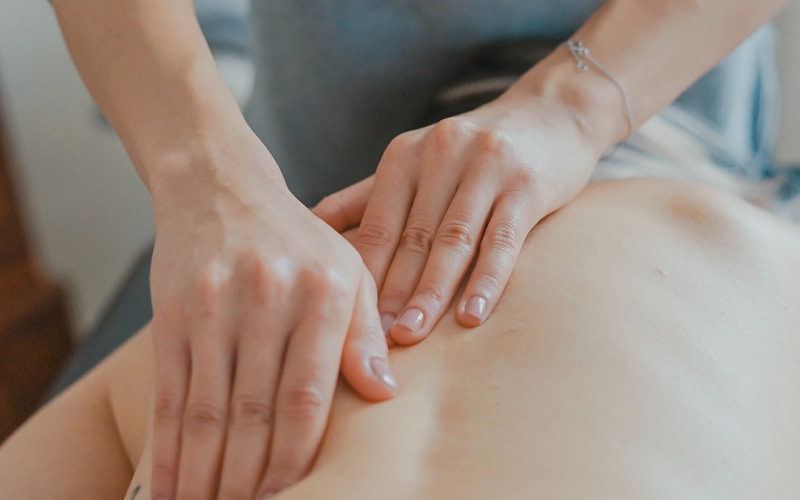
Active Release and other soft tissue techniques break up the adhesions and disorganized tissue in and around the tendon, improve blood flow, and restore normal glide to the muscles of the forearm. This is the cornerstone of treatment. (Read more about how Active Release Technique works.)
Address the Whole Chain
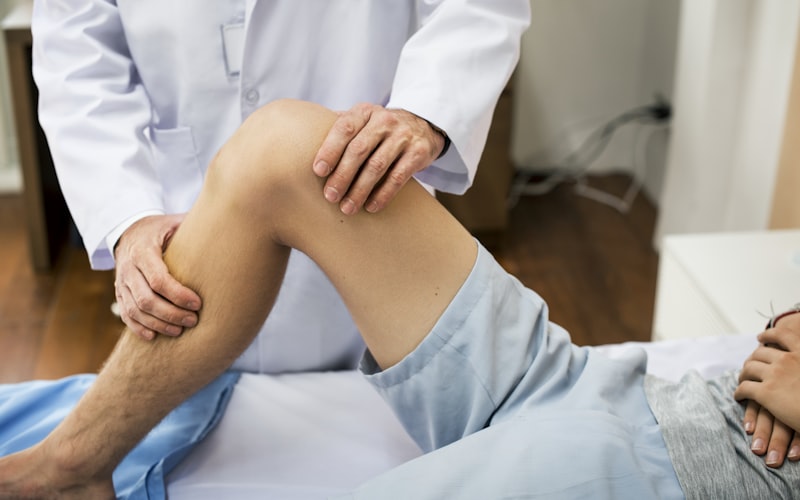
We assess and treat the wrist, elbow, shoulder, and neck as a unit. Restoring proper motion to restricted joints up the chain takes load off the irritated tendon.
Progressive Loading
Because tendinosis heals through stimulation, we guide you through a progressive, eccentric strengthening program. Carefully loading the tendon is what drives it to rebuild stronger, organized tissue. This is the step home rest can never provide.
What You Can Do at Home
- Modify, do not just rest. Reduce the specific aggravating motions, but keep the arm gently active.
- Improve your grip ergonomics. Use lighter grips, padded handles, and palm-up lifting where possible.
- Do your eccentric exercises. Slow, controlled lowering motions are proven to help tendons remodel. We will show you the right ones for your specific injury.
- Be patient. Tendons heal slowly. Consistent, correct loading beats sporadic intense effort.
Stop Waiting for It to Heal on Its Own
If your elbow pain has hung around for more than a few weeks, rest alone is unlikely to resolve it, because rest does not rebuild degenerated tendon. Contact Bromberg Chiropractic in Cambridge and we will treat the tissue directly, address the whole arm and neck, and get you back to gripping, lifting, and playing without pain.