Some of the most stubborn pain conditions we treat at Bromberg Chiropractic are not bone or joint problems at all. They are soft tissue injuries: damaged or restricted muscles, tendons, ligaments, fascia, and nerves that have not healed properly. These injuries often look fine on imaging, fail to improve with rest, and resist conventional treatments. They keep athletes off the field, limit office workers' productivity, and rob otherwise healthy people of the activities they love.
For these cases, one of the most effective tools in our practice is Active Release Technique, commonly known as ART. It is a hands-on, movement-based therapy that addresses what is actually wrong in damaged soft tissue: the formation of scar tissue and adhesions that restrict normal motion and perpetuate pain. This post explains what ART is, how it works, and why patients with chronic soft tissue problems often experience life-changing improvement after a few sessions.
What Is Active Release Technique?
ART is a patented soft tissue treatment system developed by Dr. P. Michael Leahy, a chiropractor and former NASA-affiliated physician, in the 1980s. Dr. Leahy was treating elite athletes whose injuries refused to resolve with conventional approaches. He observed that the underlying problem in many cases was not the original injury itself but rather the disorganized, restrictive scar tissue that formed during the healing process.
His insight was that this scar tissue could be manually broken up and remodeled if pressure was applied while the affected tissue was actively moved through specific ranges of motion. This combination, manual pressure plus active movement, became the foundation of Active Release Technique.
Today, ART is used by chiropractors, physical therapists, and other clinicians who have undergone the rigorous certification process. It is widely employed by professional sports teams, Olympic athletes, and elite military units, but its applications are equally valuable for desk workers, weekend warriors, and anyone with persistent soft tissue pain.
The Science: What ART Actually Treats
To understand why ART works, you need to understand what happens when soft tissue is injured.
The Scar Tissue Cascade
When a muscle, tendon, or ligament is damaged, whether from a single acute injury or from cumulative microtrauma over time, the body initiates an inflammatory healing response. Specialized cells lay down collagen fibers to repair the damaged tissue. In ideal circumstances, these collagen fibers organize themselves along the lines of stress, replicating the structure of the original tissue.
In reality, this organized healing rarely occurs perfectly. The new collagen often forms in a disorganized, cross-linked pattern, creating dense bands of scar tissue called adhesions. Adhesions can bind adjacent tissues together, restrict motion, reduce blood flow, and trap nerves. Over time, they create a cycle: restriction leads to compensatory movement, compensation creates new microtrauma, microtrauma produces more scar tissue, and so on.
Common Adhesion Patterns
Adhesions develop in predictable patterns based on how the affected tissue is loaded. We see them frequently in:
- The forearm: Producing tennis elbow, golfer's elbow, and carpal tunnel-like symptoms.
- The shoulder: Causing impingement, rotator cuff dysfunction, and frozen shoulder.
- The IT band and gluteal complex: Producing hip pain, IT band syndrome, and knee tracking problems.
- The hamstrings and calf: Creating chronic strain patterns and restricted ankle motion.
- The piriformis: Compressing the sciatic nerve and contributing to sciatica-like symptoms.
- The plantar fascia: Creating plantar fasciitis patterns.
- The cervical and upper back muscles: Contributing to chronic neck stiffness and headaches.
How ART Differs From Massage
Patients sometimes ask whether ART is just a fancy name for deep tissue massage. It is not. The distinction matters.
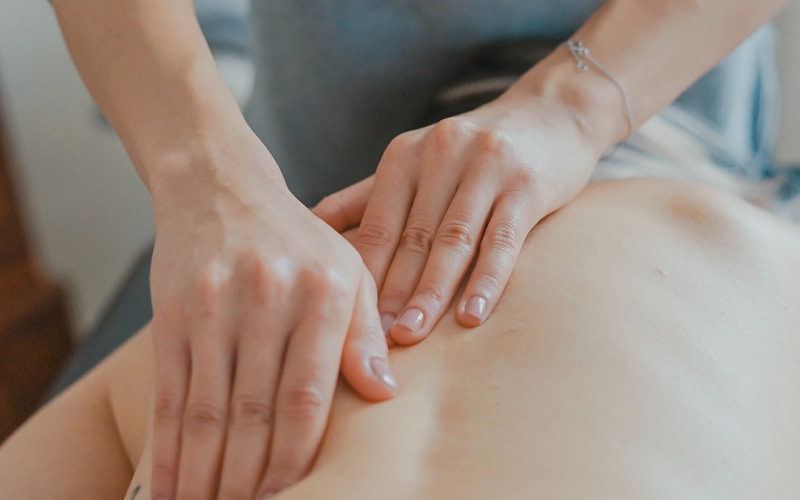
Massage is generally a more global treatment that promotes relaxation, increases circulation, and reduces muscle tension. It is wonderful for what it does, but it is not designed to remodel scar tissue or restore specific tissue glide between adjacent structures.
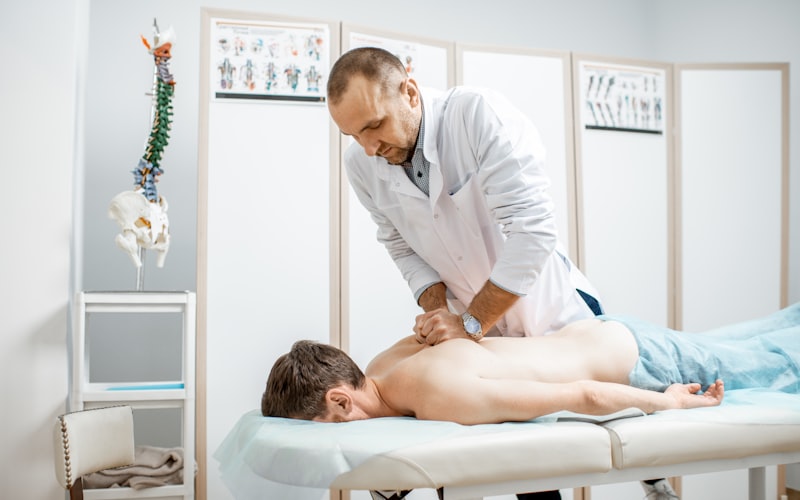
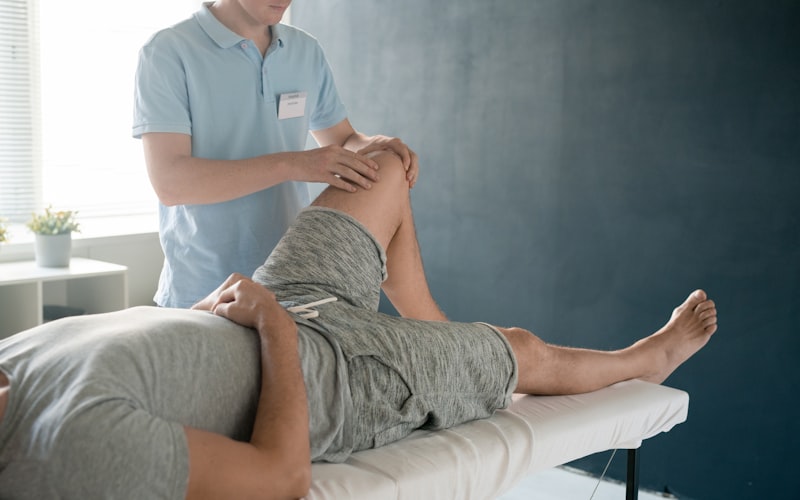
ART is a precise, surgical-level approach. The provider uses specific tactile diagnosis to locate adhesions, applies precise tension at exactly the right depth and angle, then guides the patient through specific movements that lengthen the affected tissue under that tension. Each movement targets a particular structure: a single muscle, a tendon-bone junction, a fascial layer, or a nerve.
The result is mechanical disruption of the adhesion and restoration of normal sliding between tissues. It is not relaxation work. It is corrective work.
What an ART Session Feels Like
I will be straightforward: ART can be uncomfortable, especially in the most restricted areas. Patients commonly describe the sensation as "good pain", a sharp, focused discomfort that often reproduces their familiar symptom while being treated. The discomfort is brief, lasting only as long as the specific movement, and most patients tolerate it well because they can feel that something productive is happening.
A typical session takes 15 to 30 minutes, depending on the area being treated. Sessions are typically scheduled twice per week initially, decreasing as improvement occurs. Most patients notice meaningful change within four to six sessions, though chronic conditions may require more.
After treatment, the area may feel mildly sore for 24 to 48 hours, similar to post-workout soreness. Drinking plenty of water and applying ice if needed minimizes any discomfort. Most patients can resume normal activities, including exercise, within a few hours.
Conditions ART Treats Effectively
Our muscle and tendon therapy service uses ART as a primary tool for a wide range of conditions:
Sports Injuries
Sports injuries are a flagship application for ART. The technique was developed in part for athletes, and it remains exceptionally effective for tennis elbow, golfer's elbow, runner's knee, IT band syndrome, hamstring strains, calf tightness, plantar fasciitis, rotator cuff dysfunction, and similar overuse conditions. Many athletes return to full activity faster after ART than they would with rest alone.
Repetitive Strain Injuries
Office workers, musicians, surgeons, dentists, and anyone whose work involves repetitive motion is vulnerable to repetitive strain. Carpal tunnel-like symptoms, forearm pain, shoulder impingement, and chronic neck/upper back tension respond particularly well to targeted ART of the affected myofascial chains.
Whiplash and Auto Accident Recovery
Following auto accidents, the cervical and thoracic muscles often develop diffuse adhesion patterns that maintain pain and restrict motion long after the original injuries should have healed. ART addresses these residual scar tissue patterns and is a frequent component of our auto accident rehabilitation protocols.
Post-Surgical Adhesions
Patients recovering from surgery often develop scar tissue around the surgical site that limits motion and produces ongoing discomfort. Once initial healing is complete (typically 6-8 weeks post-op, with surgeon clearance), ART can dramatically improve mobility and reduce residual pain.
Headaches
Many chronic headaches have a soft tissue component, particularly tension in the suboccipital muscles at the base of the skull and the upper trapezius. ART of these structures, combined with chiropractic care, often reduces or eliminates headaches that have not responded to medication.
Why We Combine ART With Chiropractic Care
Soft tissue and joint problems rarely exist in isolation. A restricted joint creates abnormal stress on the surrounding muscles. Tight muscles pull on joints and prevent proper motion. Treating one without the other often produces incomplete results.
Combining chiropractic adjustments with ART addresses both components simultaneously. Adjustments restore joint motion and proper mechanics; ART releases the soft tissue restrictions that compensate around dysfunctional joints. The two approaches reinforce each other, and patients almost always recover faster with the combination than with either approach alone.
What to Expect From a Treatment Course
For acute soft tissue injuries, four to six ART sessions are typically sufficient. For chronic conditions involving extensive adhesion formation, eight to twelve sessions may be needed. Most patients begin to feel meaningful change within the first two or three sessions: improved range of motion, reduced symptom intensity, or simply a sensation that something has finally shifted.
Following the initial treatment course, occasional maintenance sessions can prevent recurrence, particularly for athletes and patients whose work or activities continue to stress the same tissue patterns.
Ready to Address Your Soft Tissue Problem?
If you are dealing with a stubborn pain condition that has not responded to rest, stretching, or conventional treatment, an ART evaluation may be exactly what you need. Contact Bromberg Chiropractic to schedule an appointment. Our Cambridge office has been helping patients overcome chronic soft tissue problems for decades, and ART is one of the most powerful tools we use.