Most of the crashes my patients describe are not dramatic. A rear-end at the light where Memorial Drive meets the BU Bridge. A sideswipe merging onto Storrow Drive. A slow slide on a Route 1 ramp in January. A chain reaction in stop-and-go traffic on I-93. The car is drivable, nobody is bleeding, and the next decisions get made in a fog of adrenaline. Those decisions matter more than people realize, both for recovery and for the insurance claim that pays for it.
I have written elsewhere about why early care after a crash matters. This is the companion piece: the practical list of what to actually do, in order, over the first 72 hours and the week that follows. Print it, screenshot it, or send it to someone who just called you from the side of the road.
At the Scene
- Get safe first. Turn on your hazards. If the car is drivable and you are in a travel lane, move it to the shoulder or the nearest side street. Storrow and parts of Memorial Drive have no real shoulder, so get to the first place you can stop without being hit again. If the car cannot move, stay belted in with hazards on until police arrive, unless there is fire or smoke.
- Call the police. Call 911 if anyone is hurt or the road is blocked. For a minor collision, the non-emergency line still gets a report filed. Massachusetts requires you to file a crash report with the RMV within five days if there is any injury or more than $1,000 in damage, which describes nearly every crash. A police report makes that easier and gives your insurer something to work from.
- Take photos of everything. All vehicles from several angles, the license plates, the damage close up, the position of the cars in the road, skid marks, traffic signals, the weather and road surface, and any visible injuries. If it is dark or sleeting, take the photos anyway.
- Exchange information. Name, address, phone, insurer and policy number, plate number and the driver's license. Photograph their registration and insurance card rather than copying by hand. Get names and numbers from any witnesses before they drive off.
- Do not say you are fine. You do not know yet. Adrenaline masks pain for hours, and whiplash symptoms commonly appear one to three days later. "I am not sure yet" is the honest answer. Do not apologize or discuss fault; stick to facts.
The Same Day
- Go to the emergency room or urgent care if there is any red flag. Loss of consciousness, even briefly. Confusion, vomiting or a worsening headache. Numbness or weakness in an arm or leg. Chest or abdominal pain, especially where the seat belt crossed. Severe neck pain, or neck pain with any difficulty moving the head. Trouble walking. These need a physician, not a chiropractor, and they need one today.
- Notify your insurer. Call your own auto insurer and open a claim. Massachusetts is a no-fault state, so your own Personal Injury Protection coverage pays for your initial care regardless of who caused the crash. Get the claim number and the adjuster's name. I explain what the coverage pays for in What a PIP Claim Covers.
- Write down what you felt. Before you sleep, put a note in your phone: what happened, which direction the impact came from, whether you saw it coming, where your head and hands were, and every symptom, however minor. Stiff neck, headache, a sore knee from the dashboard, ringing ears. You will not remember this accurately in a week, and these details help the exam.
Days One to Three
- Expect symptoms to show up late. Inflammation builds over 24 to 72 hours. The most common late arrivals are neck stiffness, a headache that starts at the base of the skull, pain between the shoulder blades, low back pain, jaw soreness, dizziness, tingling into an arm, trouble sleeping and difficulty concentrating. None of these mean you overreacted by feeling fine at the scene. They are the normal timeline of whiplash and soft tissue injury.
- Move gently; do not take to bed. A day of rest is reasonable. Three days flat on the couch is not. Short walks, gentle neck and shoulder range of motion within comfort, and normal light activity keep joints moving and prevent the guarding that turns a two-week injury into a two-month one. Skip the gym, heavy lifting, long drives and anything that makes symptoms clearly worse.
- Ice first, heat later, in general terms. For the first 48 hours, ice a sore area for 15 to 20 minutes at a time with a cloth between the ice and skin, several times a day. After that, heat is usually better for stiffness, and some people alternate. If something makes the pain worse, stop. This is general guidance, not a substitute for an exam.
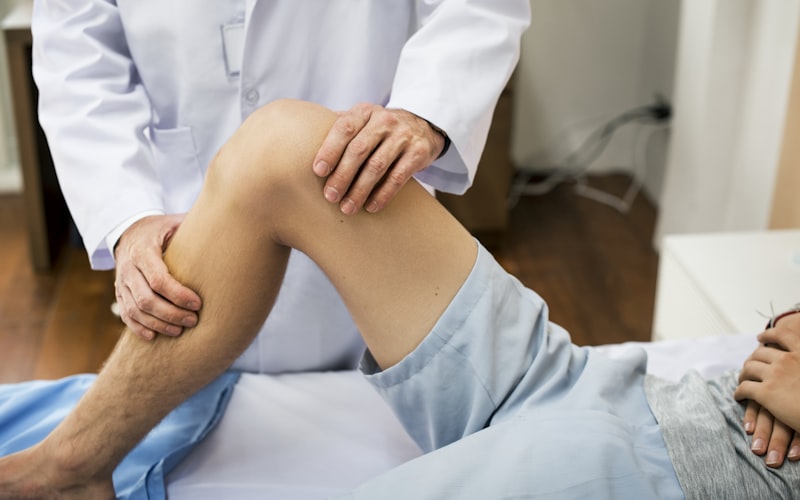
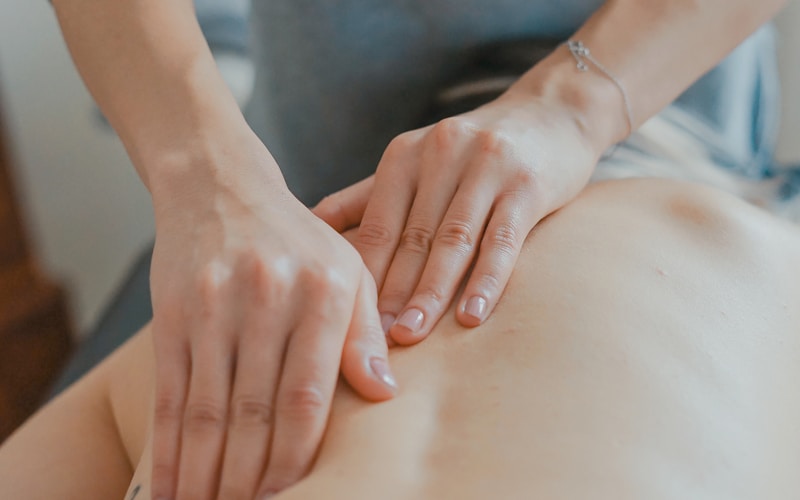
- Get evaluated, ideally within 72 hours. This is the step people skip, and it is the one that shapes everything after. A proper evaluation includes a history of the crash, a physical exam with orthopedic and neurological testing, and imaging referrals if anything warrants them. It catches injuries that have not yet produced symptoms and creates the record that connects your injuries to the crash. In Massachusetts you do not need a referral to see a chiropractor, and PIP covers the visit. Our office at 201 Broadway is a six-minute walk from Kendall/MIT, we see walk-ins during hours, and we hold same-day slots for patients in pain. Our auto accident rehabilitation page describes what the first visit involves.
The First Week
- Follow the plan you were given. If the evaluation leads to a treatment plan, keep the visits. Early care is usually two to three visits a week for a few weeks, then tapering. Skipping the second week because the first week helped is the most common way people end up back at square one.
- Keep every record in one place. A folder or a phone album with the photos, the police report number, the claim number, every receipt for medication or equipment, mileage to appointments, and a running log of symptoms and missed work. The adjuster will ask for some of it, an attorney will ask for all of it, and you will not want to reconstruct it in March.
- Complete the PIP paperwork. Your insurer will send a PIP application. Fill it out promptly and accurately, including your health insurance information, because PIP coordinates with your health plan after the first $2,000 in medical bills. Give our office the claim number and insurer so we can bill directly. The details are on our PIP insurance page.
- Get work notes. If you cannot work, or cannot do your full job, ask for a note at each visit that says so. PIP pays 75 percent of lost wages, but only if a provider documents that the time off was medically necessary. Record the hours you miss.
- Report new symptoms. If something new shows up in week one, say so at the next visit, even if it seems unrelated. A sore wrist from bracing on the wheel or a knee that hit the dash belongs in the record too.
What Not to Do
- Do not sign a quick settlement. An early offer from the other driver's insurer, sometimes within days, closes the claim before you know what the injury is. You are not required to give a recorded statement to the other driver's insurer. If you are unsure, talk to an attorney before signing anything.
- Do not wait for pain to prove it is real. Vehicle damage is a poor predictor of injury. A low-speed slide on black ice can produce the same neck injury as a faster hit on dry pavement. Waiting three weeks to see if it goes away costs you recovery time and gives the adjuster a gap in care to point at.
- Do not post about the crash on social media. Photos of you at a Charles River run on Saturday will be read differently than you intend.
- Do not push through the gym. Give it a week and an evaluation first.
- Do not stop care because the first few visits helped. Feeling better and being healed are different things, and the record needs to show the full course.
A Note on Winter
Boston-area winters produce a specific kind of crash: low speed, icy surface, often with a wall or a guardrail involved, and often the driver at fault is the one who gets hurt. Everything above still applies. Your own PIP covers you even if you slid into someone, and the injury timeline does not care how fast you were going.
If You Were Just in a Crash
Run the list from the top. Get safe, get the report, get the photos, open the claim, and get evaluated within 72 hours. If you are in Cambridge or nearby, contact our office or call (617) 494-1166. We will examine you, document what we find, and tell you honestly whether you need us, a physician, or both.