If you have ever experienced a searing, electric pain shooting from your lower back through your buttock and down the back of your leg, you have likely encountered sciatica. It is one of the most common and most misunderstood conditions we treat at Bromberg Chiropractic, and it deserves a thorough explanation, because understanding what is happening in your body is the first step toward fixing it.
What Is the Sciatic Nerve?
The sciatic nerve is the longest and thickest nerve in the human body. It originates from nerve roots in the lower lumbar and upper sacral spine (specifically the L4, L5, S1, S2, and S3 nerve roots), which merge together to form a single nerve trunk roughly the diameter of your thumb. This nerve exits the pelvis through a notch in the hip bone, passes deep to (or in some people, directly through) the piriformis muscle in the buttock, and then travels down the back of each leg, eventually branching into smaller nerves that extend to the feet and toes.
Because of its length and the critical structures it passes through, the sciatic nerve is vulnerable to compression or irritation at multiple points along its path. The term "sciatica" is not a diagnosis in itself. It is a description of symptoms caused by an underlying problem affecting this nerve. Effective treatment requires identifying exactly where and why the nerve is being compromised.
Common Causes of Sciatica
Herniated or Bulging Disc
This is the most common cause of sciatica, accounting for approximately 90% of cases. The spinal discs are the shock-absorbing cushions between your vertebrae. Each disc has a tough outer layer (annulus fibrosus) and a gel-like center (nucleus pulposus). When the outer layer weakens or tears, the inner material can bulge outward or herniate completely, pressing on the adjacent nerve root.
Disc injuries most commonly occur at the L4-L5 and L5-S1 levels, the lowest segments of the lumbar spine, which happen to be exactly where the sciatic nerve roots exit. This is why disc problems in the lower back so frequently produce leg symptoms rather than (or in addition to) back pain.
Spinal Stenosis
Spinal stenosis is a narrowing of the spinal canal or the openings (foramina) through which nerve roots exit the spine. This narrowing can be caused by degenerative changes including bone spurs, thickened ligaments, and disc degeneration. As the available space decreases, the nerve roots become compressed. Stenosis-related sciatica tends to develop gradually over time and is more common in adults over 50.
Piriformis Syndrome
The piriformis is a small, flat muscle deep in the buttock that runs from the sacrum (the triangular bone at the base of the spine) to the top of the femur (thighbone). The sciatic nerve passes directly beneath this muscle, and in about 15-20% of people, the nerve actually passes through the muscle itself. When the piriformis becomes tight, inflamed, or spasms, it can compress the sciatic nerve.
Piriformis syndrome is a common cause of sciatica that is frequently misdiagnosed as a disc problem. The distinction matters because the treatment approach differs. A thorough examination that tests the piriformis specifically can identify this cause.
Other Causes
Less common causes of sciatica include spondylolisthesis (a vertebra that has slipped forward on the one below it), sacroiliac joint dysfunction, pregnancy-related changes, and in rare cases, tumors or infections. A proper evaluation rules out serious pathology before treatment begins.
Recognizing the Symptoms
Sciatica has a characteristic presentation that distinguishes it from ordinary lower back pain:
- Pain that radiates from the lower back or buttock down the back of the leg, sometimes reaching the foot and toes. The pain usually affects only one side.
- The quality of pain is often described as sharp, burning, shooting, or electric, distinctly different from the dull ache of muscle pain.
- Numbness or tingling in the leg, foot, or toes along the nerve's path.
- Muscle weakness in the affected leg, which may manifest as difficulty lifting the foot (foot drop), trouble rising from a seated position, or a feeling that the leg might "give out."
- Pain that worsens with sitting, coughing, sneezing, or straining, all activities that increase pressure within the spinal canal.
- Pain that improves with walking or lying down, though this varies depending on the cause.
When to seek urgent care: If you experience sudden loss of bowel or bladder control, rapidly progressive weakness in your leg, or numbness in the groin/saddle area, seek emergency medical attention. These symptoms may indicate cauda equina syndrome, a rare but serious condition requiring immediate intervention.
Why Chiropractic Care Is Effective for Sciatica
Sciatica is fundamentally a mechanical problem. A structural issue is physically compressing or irritating a nerve. It follows that the most logical treatment approach addresses the mechanical cause rather than simply masking the pain with medication.
This is exactly what chiropractic care does. Here is how we approach sciatica at Bromberg Chiropractic:
Accurate Diagnosis
The first and most critical step is determining exactly what is causing your sciatica. Through a combination of history, orthopedic tests, neurological examination, and imaging when necessary, we identify the specific structure responsible. Is it a disc herniation at L5-S1? Stenosis at L4-L5? Piriformis compression? The answer determines the treatment strategy.
Spinal Adjustments
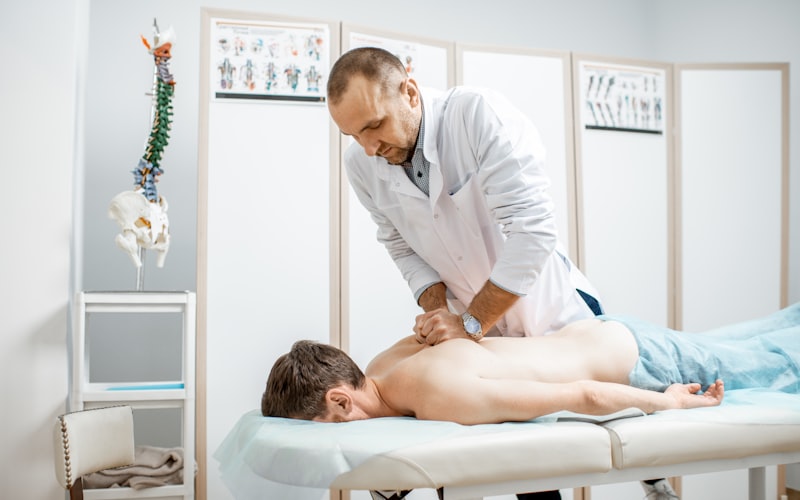
Targeted adjustments restore proper alignment and motion to the spinal segments involved. When a vertebral segment is misaligned or restricted, it creates abnormal pressure on the disc and the adjacent nerve root. By restoring normal mechanics, we reduce the structural forces that are compressing the nerve. For disc-related sciatica, we use specific techniques, including flexion-distraction, that gently open the disc space and encourage the herniated material to retract away from the nerve.
Disc-Specific Treatment
When a disc injury is the primary cause, our disc injury treatment protocol includes specialized decompression techniques that create negative pressure within the disc, promoting retraction of herniated material and improving nutrient flow to the damaged disc tissue. This approach has helped many of our patients avoid surgical intervention.
Soft Tissue Therapy
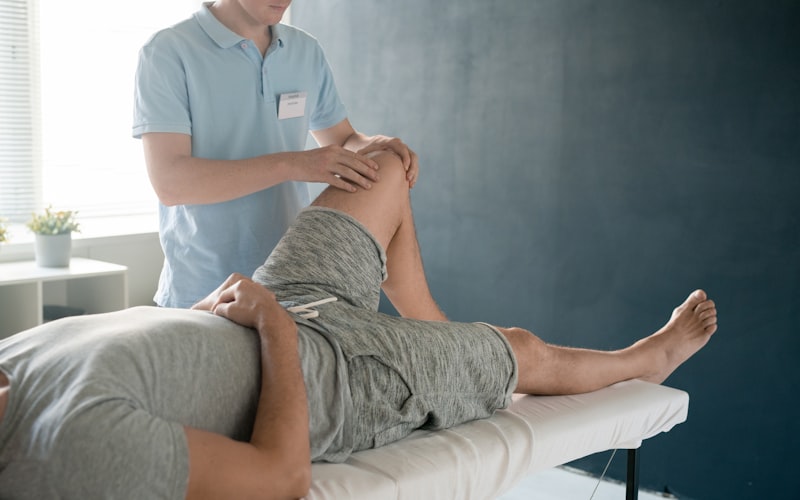
Muscles in the affected area almost always develop protective spasm and trigger points in response to the nerve irritation. Addressing these muscular components through manual therapy reduces pain, improves blood flow, and creates an environment that supports healing. For piriformis syndrome, targeted soft tissue work on the piriformis muscle itself is often the most important component of treatment.
Rehabilitative Exercises
Specific exercises prescribed based on your diagnosis help stabilize the area, reduce nerve tension, and prevent recurrence. These are not generic "stretch more" recommendations. They are carefully selected movements based on your specific condition. For example, a patient with a posterolateral disc herniation benefits from extension-based exercises, while a patient with stenosis typically responds better to flexion-based movements. Doing the wrong exercises can worsen sciatica, which is why professional guidance matters.
Home Management Tips
While professional treatment addresses the root cause of sciatica, there are several things you can do at home to manage symptoms and support your recovery:
- Ice for acute flare-ups: Apply an ice pack to the lower back (not the leg) for 15-20 minutes at a time, several times per day. Ice reduces inflammation around the irritated nerve root. Use a thin cloth between the ice and your skin.
- Keep moving: Bed rest was once the standard advice for sciatica. Research has since shown that prolonged inactivity actually worsens outcomes. Gentle walking is one of the best things you can do. It promotes blood flow, maintains spinal mobility, and triggers the release of natural anti-inflammatory chemicals.
- Mind your sitting posture: Sitting compresses the lumbar discs more than standing or lying down. When you must sit, use a chair with good lumbar support, keep your feet flat on the floor, and avoid crossing your legs. Limit prolonged sitting to 30-minute intervals.
- Sleep position: Sleeping on your side with a pillow between your knees keeps the pelvis aligned and reduces strain on the lumbar spine. If you sleep on your back, place a pillow under your knees to maintain the natural lumbar curve.
- Avoid prolonged bending and heavy lifting: These activities increase intradiscal pressure and can worsen nerve compression. If you must lift, use your legs, keep the object close to your body, and avoid twisting.
- Gentle nerve flossing: Your chiropractor may prescribe specific nerve mobilization exercises (nerve flossing or nerve gliding) that gently move the sciatic nerve through its surrounding tissues, reducing adhesions and improving the nerve's ability to slide freely. These should only be performed as instructed, as incorrect technique can aggravate the nerve.
What to Expect From Recovery
Most cases of sciatica respond well to conservative chiropractic care. Many patients experience meaningful pain relief within the first two to four weeks of treatment. Complete resolution typically takes six to twelve weeks, depending on the severity and underlying cause. Piriformis syndrome and mild disc bulges tend to resolve faster. Large disc herniations and stenosis may require a longer course of care.
Surgery is rarely necessary for sciatica. Current research suggests that conservative care produces equivalent long-term outcomes to surgery for the vast majority of cases, with far less risk and no recovery period. We reserve surgical referrals for cases involving progressive neurological deficits, cauda equina syndrome, or symptoms that have not responded to an adequate trial of conservative treatment.
Get the Right Diagnosis and Start Healing
If you are living with sciatic pain, you do not have to keep managing it with painkillers and heating pads. Effective treatment starts with an accurate diagnosis, and that starts with a thorough evaluation. Contact Bromberg Chiropractic to schedule an appointment. With over 40 years of experience treating spinal conditions in Cambridge, we have helped thousands of patients find lasting relief from sciatica, and we can help you too.