Many adults are surprised to learn they have scoliosis. Some were diagnosed as teenagers and told to "keep an eye on it," and then decades passed. Others discover it for the first time in adulthood, often on an X-ray taken for back pain. Either way, the news can be alarming. The reassuring truth is that for the large majority of adults, scoliosis is a condition to be managed, not a crisis, and surgery is rarely the first or only answer.
At Bromberg Chiropractic, we have helped Cambridge and Greater Boston patients live comfortably with scoliosis for over 40 years. Here is what adult scoliosis actually means for you and how conservative care helps.
What Scoliosis Is
Scoliosis is a sideways curvature of the spine. Instead of running straight down the middle, the spine curves into a C or S shape, often with an element of rotation. In adults it generally falls into two groups: curves that developed in adolescence and carried into adulthood, and "degenerative" scoliosis that develops later in life as the discs and joints wear unevenly.
Why Adult Scoliosis Causes Symptoms
A curve itself is not always painful; plenty of people have mild curves and never know it. Symptoms arise from what the curve does to the surrounding structures over time:
- Uneven loading. The muscles on one side work harder to hold you upright, leading to chronic fatigue, aching, and back pain.
- Joint and disc wear. The curve concentrates stress on certain segments, accelerating arthritis and disc degeneration.
- Nerve irritation. As spaces narrow, nerves can get crowded, sometimes producing stenosis-type leg symptoms.
- Stiffness and reduced mobility. Curved segments often lose normal motion, which feeds the pain cycle.
The Goal of Conservative Care
Let me be clear about expectations, because honesty matters here. In an adult, non-surgical care does not straighten an established curve. What it can do, and do very well, is manage the symptoms the curve creates: reduce pain, restore lost motion, improve strength and balance around the spine, and slow the functional decline that comes from stiffness and deconditioning. For most adults, that is exactly the outcome they want, staying active and comfortable.
How We Manage Scoliosis
Restore and Maintain Motion
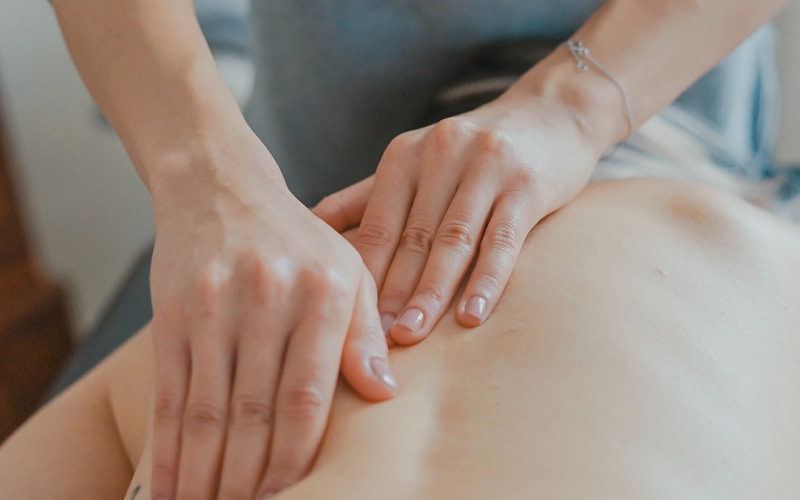
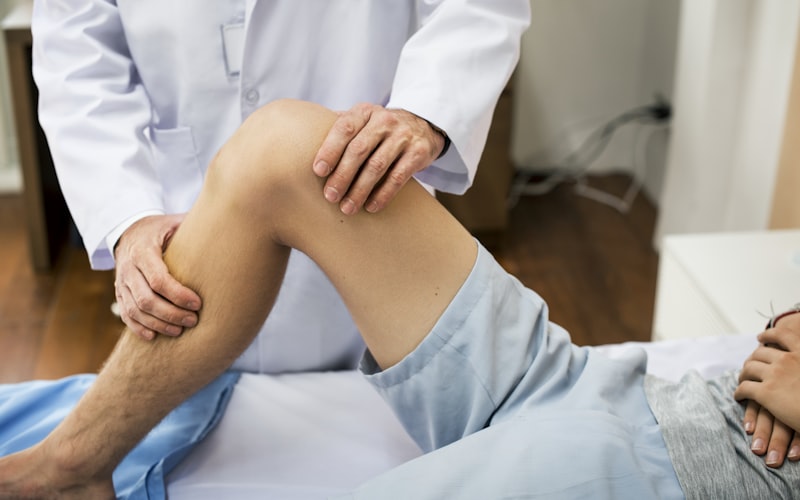
Curved spines develop restricted, stiff segments. Gentle, appropriate chiropractic care restores motion to those segments, which reduces pain and keeps you moving more freely. Care is always tailored to your specific curve.
Balance the Soft Tissue
Because the muscles work unevenly, one side is often tight and overworked while the other is weak. Muscle and tendon therapy releases the overloaded side so you are not fighting your own muscles all day.
Strengthen and Retrain
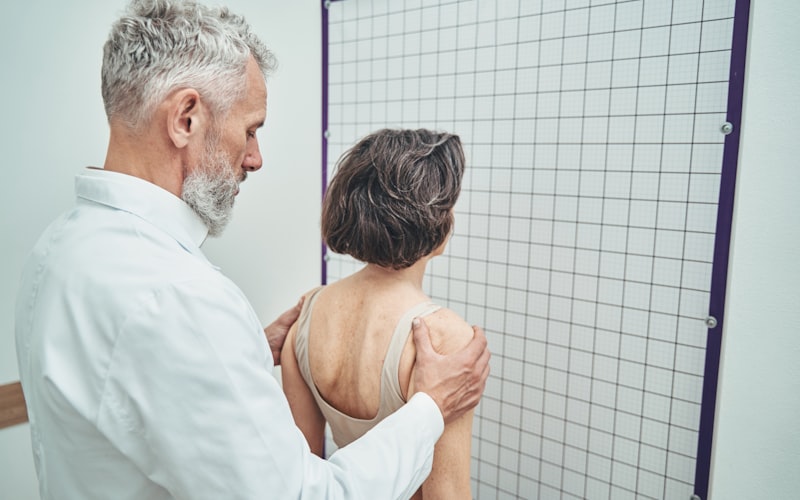
This is the foundation of long-term management. Through posture and gait analysis, we identify your specific imbalances and build a targeted program to strengthen the muscles that support your spine and improve your balance, which becomes especially important with age.
When Imaging and Referral Matter
Understanding the size and location of your curve guides everything. When appropriate, we coordinate imaging through our referral services, and if a curve is severe or progressing rapidly, we make sure you get the right specialist evaluation. Most adults never reach that point.
What You Can Do
- Stay active. Motion is protective. Inactivity stiffens the spine and weakens the muscles you rely on.
- Build core and back strength. Strong support muscles reduce the load on the curve.
- Do not ignore new symptoms. New leg pain, numbness, or a noticeable change in your posture deserves evaluation.
Live Well With Your Curve
Adult scoliosis is a manageable condition for the vast majority of people. With the right conservative plan, you can control pain, stay mobile, and keep doing what you love. Contact Bromberg Chiropractic in Cambridge for an evaluation and a realistic, personalized plan for your spine.