It is one of the most distinctive complaints in all of musculoskeletal medicine. A patient describes stepping out of bed in the morning and feeling a sharp, stabbing pain in the bottom of the heel, as if they stepped on a tack. After a few minutes of walking it eases, only to return after sitting or at the end of a long day. That pattern is the signature of plantar fasciitis, the most common cause of heel pain.
The good news is that plantar fasciitis is highly treatable with conservative care. The frustrating news is that it can linger for months or even years when it is not addressed correctly. At Bromberg Chiropractic, we treat the whole mechanical chain that drives it, not just the heel. This post explains what is actually happening and how to fix it.
What the Plantar Fascia Does
The plantar fascia is a thick, fibrous band of connective tissue that runs along the bottom of your foot, from the heel bone to the base of the toes. It acts like a bowstring, supporting the arch of your foot and absorbing the enormous loads your feet handle with every step. Across a normal day of walking, your feet absorb a cumulative load many times your body weight.
Plantar fasciitis develops when this band is overloaded and develops small tears and degeneration where it attaches to the heel. Despite the "-itis" suffix implying inflammation, research shows the chronic condition is largely degenerative, a breakdown of the tissue, which is part of why simply taking anti-inflammatories often fails to resolve it.
Why It Hurts Most in the Morning
The classic morning pain has a simple explanation. While you sleep, your feet rest in a pointed-toe position and the plantar fascia tightens and begins to heal the micro-tears in a shortened state. When you take your first steps, you suddenly stretch and re-tear that healing tissue, producing the sharp stab. As you move around and the tissue warms and loosens, the pain eases, until you sit for a while and the cycle repeats.
What Causes It
Plantar fasciitis rarely comes from the foot alone. Contributing factors include:
- Foot mechanics: Flat feet (overpronation) or very high arches both increase strain on the fascia.
- Tight calves and Achilles tendons: Limited ankle flexibility increases the load on the plantar fascia dramatically. This is one of the most important and most overlooked factors.
- Sudden increases in activity: Ramping up running mileage or starting a new job that involves standing all day.
- Footwear: Worn-out or unsupportive shoes.
- Weight gain and prolonged standing on hard surfaces.
- Gait and alignment problems higher up the chain, in the hips, knees, and pelvis, that change how load travels through the foot.
That last point is the key to lasting treatment. The foot is the end of a kinetic chain. If the way you walk loads the foot abnormally, treating only the heel will give temporary relief at best.
How We Treat Plantar Fasciitis
Our approach addresses both the injured tissue and the mechanics that overloaded it.
Soft Tissue Therapy
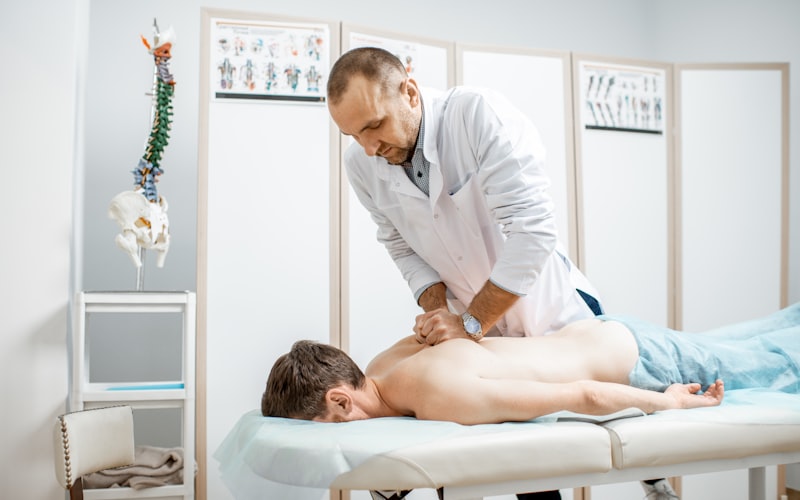
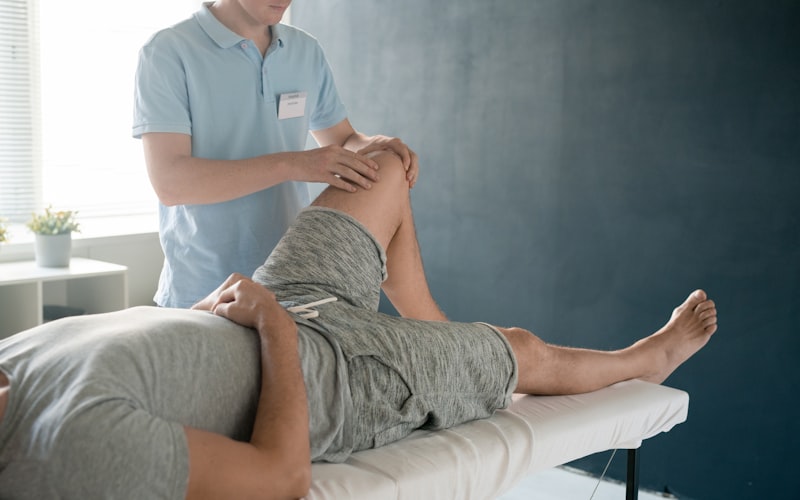
We use manual soft tissue techniques such as Active Release to break down adhesions and restore healthy glide in the plantar fascia, the calf complex, and the deep muscles of the lower leg. Releasing chronically tight calves often produces immediate improvement in heel pain because it reduces the tension pulling on the fascia.
Gait and Posture Analysis
Through gait and posture analysis, we identify the mechanical faults driving the overload, overpronation, limited ankle motion, hip weakness, leg-length differences, and address them directly with corrective strategies and, when appropriate, orthotic recommendations.
Chiropractic Adjustments
Restricted joints in the foot, ankle, and even the pelvis change how force travels through the lower limb. Restoring proper joint motion with targeted adjustments helps normalize the loading pattern on the fascia.
Stretching and Strengthening
We prescribe a specific home program, calf and plantar fascia stretching, towel and night-splint strategies, and progressive strengthening of the foot intrinsic muscles and the hips. Consistency with these exercises is often what separates patients who fully recover from those who plateau.
What You Can Do at Home Today
- Stretch the calf and fascia before your first steps in the morning, before you put weight on the foot.
- Roll the bottom of your foot over a frozen water bottle for several minutes to reduce pain and gently mobilize the tissue.
- Wear supportive shoes consistently, including around the house. Avoid going barefoot on hard floors during a flare.
- Avoid sudden spikes in standing or running volume.
When to Seek Care
If your heel pain has lasted more than a few weeks, is interfering with work or exercise, or keeps returning, it is time for a proper evaluation. Plantar fasciitis that is allowed to become chronic is genuinely harder to treat, and persistent heel pain can occasionally signal other problems (stress fracture, nerve entrapment, or referred pain) that need to be ruled out. Contact Bromberg Chiropractic and we will find the mechanical source of your heel pain and build a plan to resolve it for good.